


Solutions
From product selection and quality documentation to packaging and delivery, we help customers build a more reliable chemical supply chain.
How to reduce scale formation with water treatment chemicals
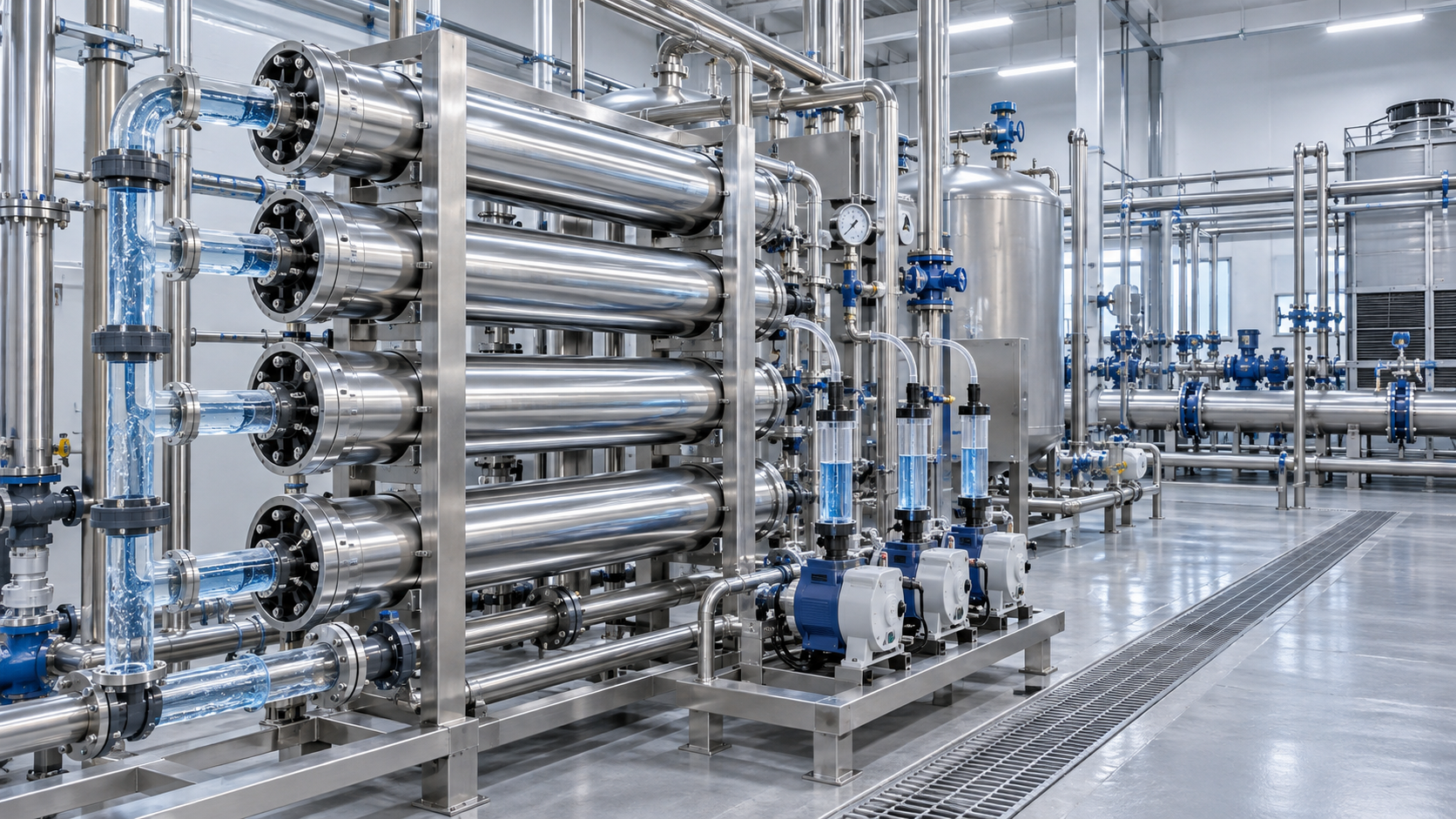
Scale control starts with identifying what is depositing and why. In most industrial systems, scale forms when dissolved minerals become insoluble because temperature, concentration, pH, or water chemistry changes. Calcium carbonate, calcium sulfate, silica, and magnesium salts are common causes, but the right response depends on the system. A boiler, cooling tower, and reverse osmosis unit can all suffer from scale for different chemical reasons.
Water Treatment Chemicals can reduce scale formation effectively when they are matched to the feedwater analysis, operating temperature, cycles of concentration, and equipment design. Adding a generic antiscalant without checking these conditions may slow deposits in one area while creating fouling, corrosion, or treatment instability elsewhere.
Start with the water and the operating conditions
Before selecting a treatment program, operators should review hardness, alkalinity, silica, sulfate, iron, manganese, pH, conductivity, and suspended solids. A recent feedwater sample matters more than an old laboratory report, particularly where water sources, production loads, or reuse rates change.
The same water can behave differently once it enters the process. Heating drives off carbon dioxide and can raise the tendency for calcium carbonate to precipitate. Evaporation in cooling systems concentrates dissolved salts. Membrane systems create a concentrated reject stream where sparingly soluble salts may exceed their solubility limit. Chemical selection should reflect where this concentration occurs, not simply the quality of incoming water.
Operators should also inspect where deposits are appearing. Hard, white deposits on heat-transfer surfaces often indicate mineral scale, while soft or gelatinous material may involve suspended solids, biological growth, or corrosion products. Treating all deposits as hardness scale can lead to unnecessary chemical use and leave the underlying cause unresolved.
Use the treatment method that fits the system
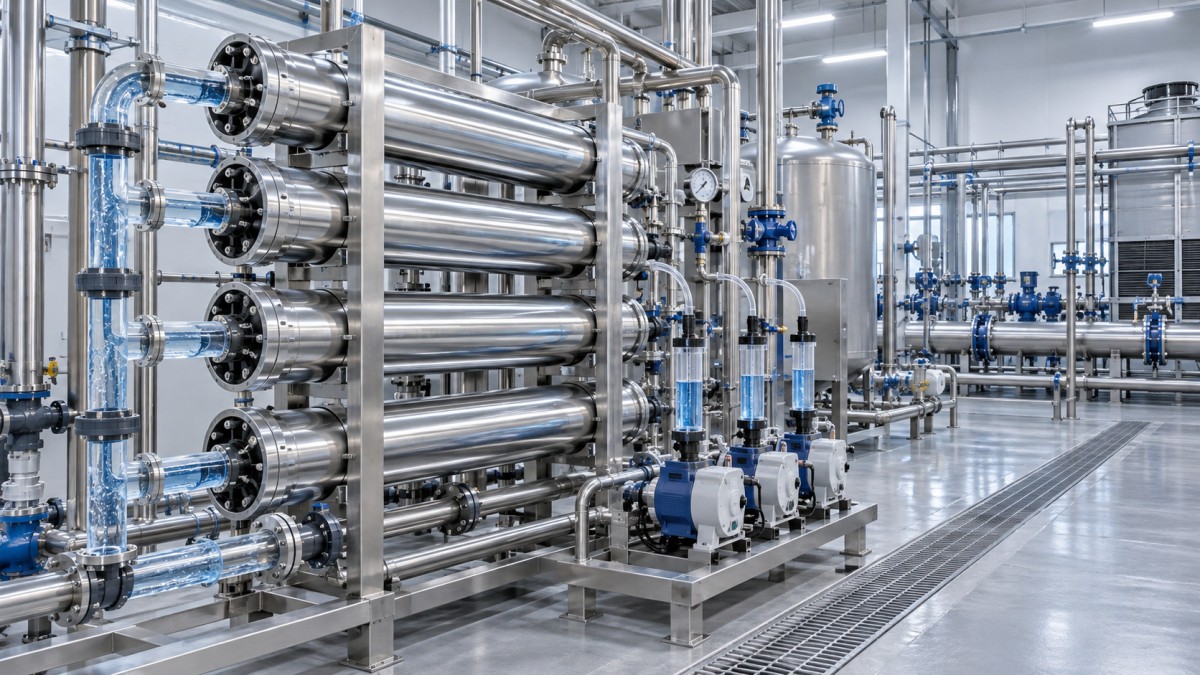
For many systems, scale prevention combines feedwater conditioning with a chemical control program. The balance differs by application.
- Boilers: Softening or demineralization is commonly used to reduce hardness before water enters the boiler. Internal treatment may then use phosphate, polymer dispersants, oxygen control chemistry, and controlled blowdown to keep remaining contaminants from forming adherent deposits.
- Cooling systems: Because evaporation concentrates minerals, cooling-water programs often rely on threshold inhibitors and dispersants. These products help keep scale-forming ions in solution or interrupt crystal growth. pH control, make-up water quality, filtration, and blowdown settings all affect their performance.
- Reverse osmosis and membrane systems: Antiscalants are usually dosed upstream of the membranes to limit precipitation in the concentrate stream. Product choice should be based on the membrane supplier's operating limits and the expected concentration of calcium, barium, strontium, silica, and other problem ions.
- Process-water loops: Where water contacts product, equipment, or sensitive surfaces, chemical compatibility matters alongside scale control. Treatment chemicals should not introduce residues that interfere with product quality, downstream treatment, or discharge requirements.
Do not treat chemical dosage as a fixed setting
A treatment chemical works within a dosing window. Underfeeding may allow deposits to develop gradually until heat-transfer loss or pressure drop becomes visible. Overfeeding can increase cost and may create separate operational problems, including foaming, residual chemistry concerns, or difficulty controlling discharge quality.
Dose rates should be adjusted when water quality or operating conditions shift. Relevant changes include higher makeup-water hardness, increased cooling cycles, reduced blowdown, higher process temperatures, lower flow, and changes in acid or alkali addition. A dosing pump calibrated months ago may no longer deliver the intended amount, so verifying actual pump output is part of scale control.
Control should be based on measurable operating signals. Conductivity, pH, hardness leakage, alkalinity, inhibitor residual where applicable, differential pressure, and heat-transfer performance can show whether the program is holding. A deposit often begins forming long before it causes a shutdown; a rising pressure drop or declining thermal efficiency can provide an earlier warning.
Separate prevention from scale removal
Antiscalants and dispersants are designed primarily to prevent or limit new deposits. They should not be assumed to dissolve heavy existing scale. When equipment is already fouled, a controlled cleaning program may be needed first. The cleaning chemistry must be compatible with metallurgy, gaskets, membranes, and wastewater handling arrangements.
Acid cleaning can remove certain carbonate deposits efficiently, but it may damage equipment or intensify corrosion if applied without deposit identification and corrosion control. Silica-rich deposits, iron oxides, and mixed organic-mineral fouling often require different approaches. A sample or deposit analysis can avoid selecting a cleaner that has little effect on the material present.
Common causes of treatment failure
Many scale problems are blamed on the chemical product when the failure is operational. Frequent causes include inconsistent chemical feed, poor mixing, blocked injection points, inaccurate water testing, excessive concentration cycles, failed softener regeneration, and changes in source water that were never reflected in the treatment program.
There is also a practical limit to what chemistry can correct. If feedwater hardness is far beyond the design basis, if filtration is inadequate, or if the system is operated outside its intended temperature and concentration range, increasing chemical dosage may only delay the problem. In those situations, operators should review pretreatment, blowdown strategy, recovery targets, and mechanical maintenance alongside the chemical program.
A reliable scale-control program therefore combines water analysis, correctly selected Water Treatment Chemicals, verified dosing, and routine inspection of system performance. Chemical treatment is most effective when it is managed as part of the operating process rather than as a corrective action after deposits have already reduced capacity.
Related Posts
- ▶ How to Assess Traceability and Supply Risk When Sourcing Plant Extracts
- ▶ What Documentation Should Quality Teams Require for Personal Care Ingredients?
- ▶ Selecting Dyestuffs and Pigments for Plastics: Lightfastness, Migration, and Heat Stability
- ▶ When rising personal care ingredient prices require formula changes
- ▶ What causes shade variation in dyestuffs and pigments?
- ▶ How batch variability affects pharmaceutical raw material quality