



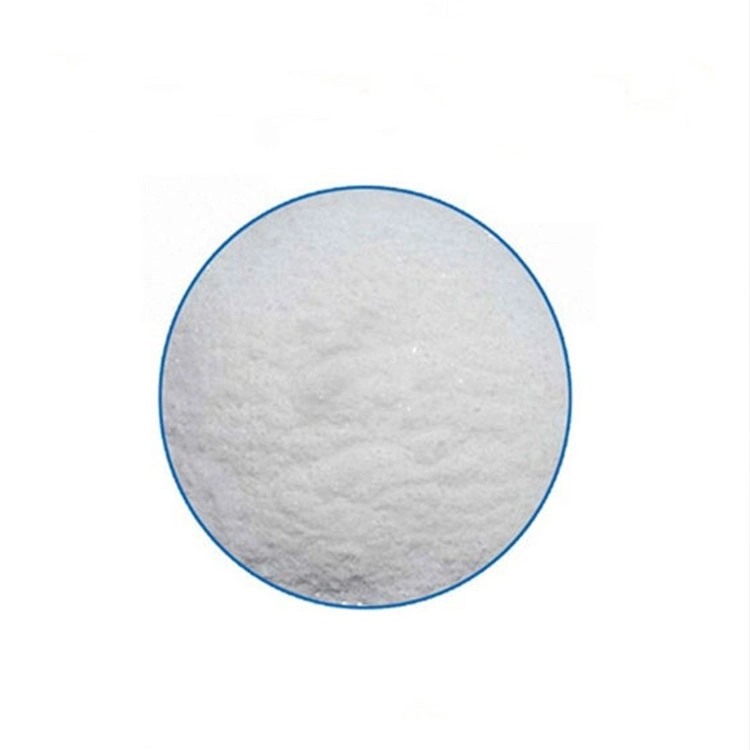
Anhydrous Citric Acid
CAS No.: 77-92-9
Molecular Formula: C6H8O7
Molecular weight: 192.12

Products
Find chemical raw materials by product category, application, specification, or industry requirement.
Product Description
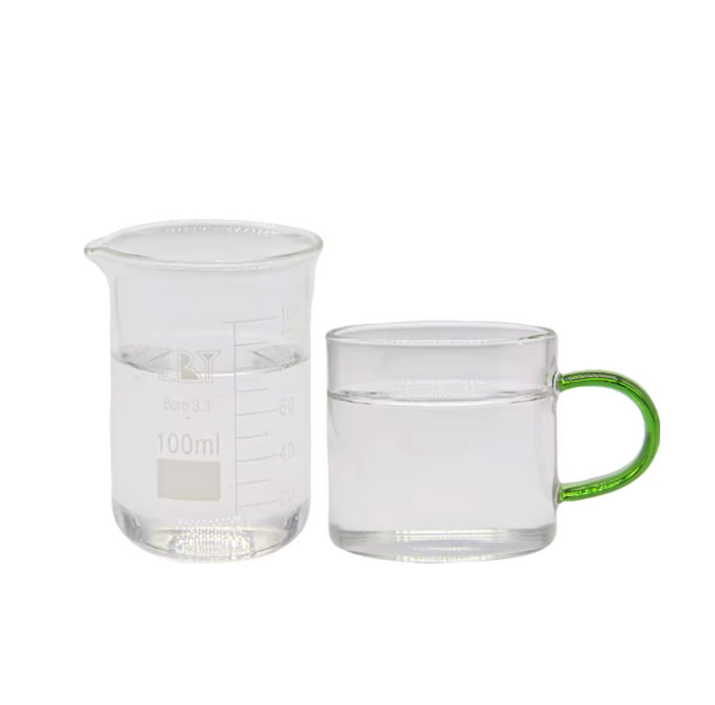
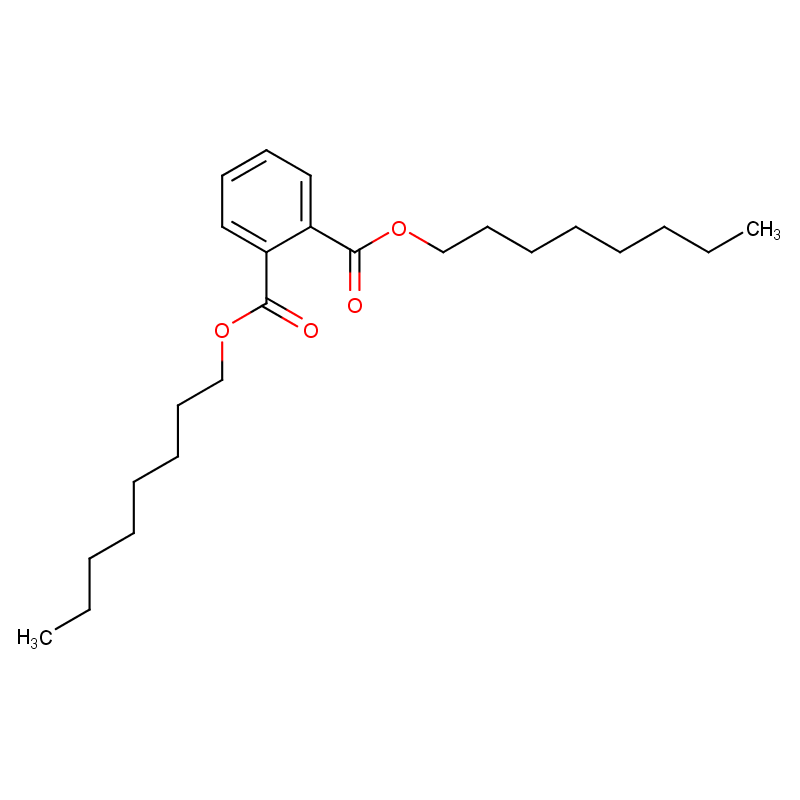
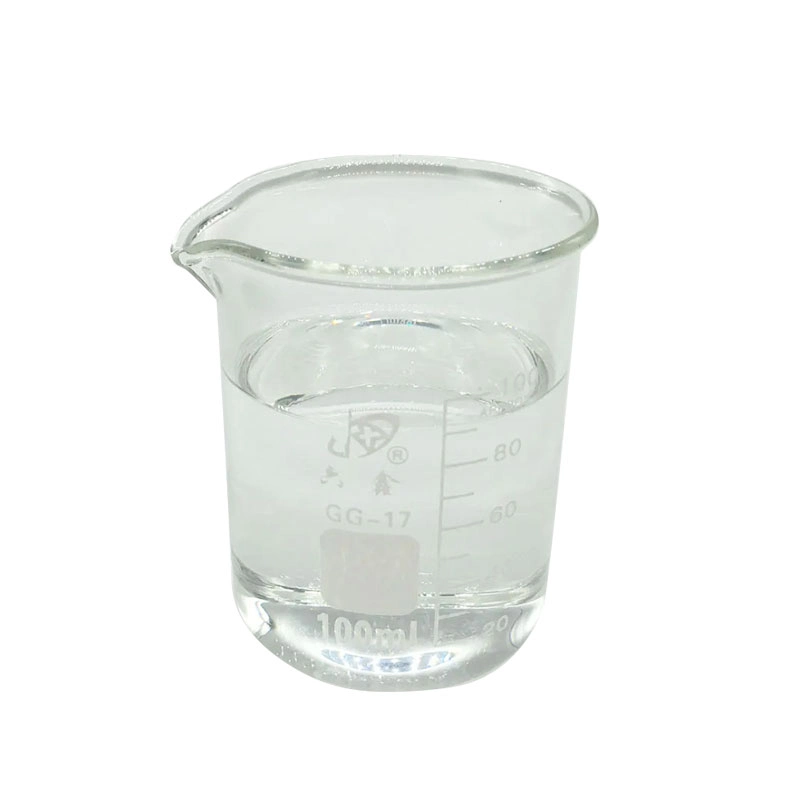
Dioctyl Phthalate (DOP for short), also known as dioctyl phthalate or Dioctyl Phthalate, is a widely used organic ester compound. At room temperature, it is a colorless and transparent oily liquid without visible impurities. Some products may have a slight odor.
Chemical Properties
Safety Information
Di-n-octyl phthalate (DOP) is a commonly used plasticizer primarily applied in polyvinyl chloride (PVC) and its copolymers to significantly improve flexibility, low-temperature resistance, and processing performance. It is widely used in cable compounds, synthetic leather, films, hoses, and sealing materials. In addition, it can also serve as an auxiliary plasticizing component in coatings and adhesives, enhancing elongation and durability. The product offers good compatibility with resins and excellent processing stability in various industrial applications.
Factory Showcase
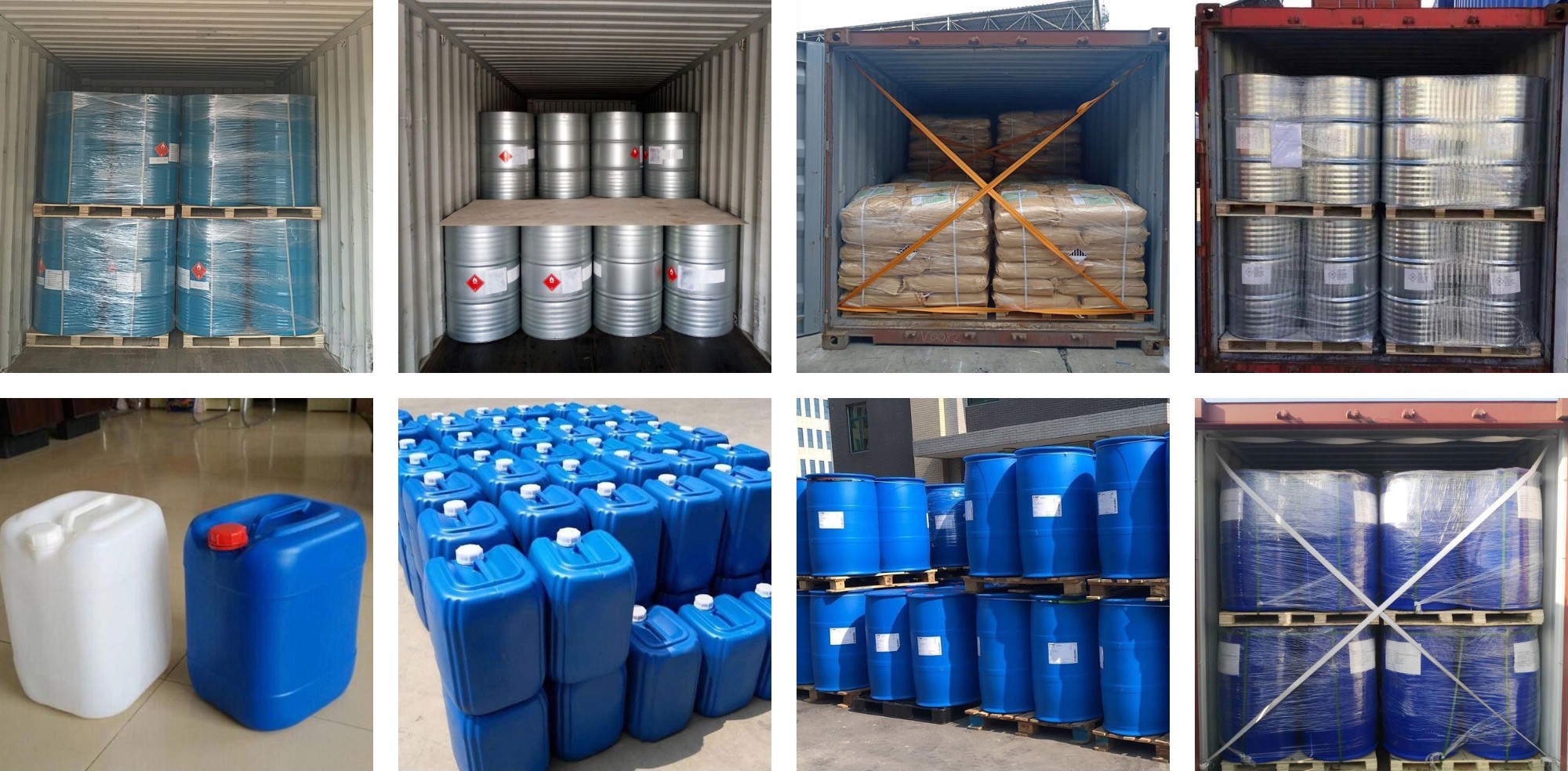
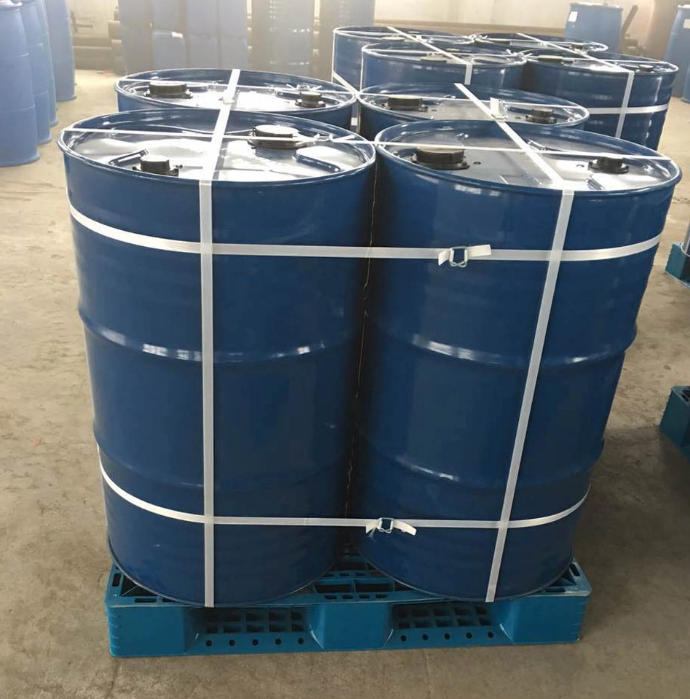
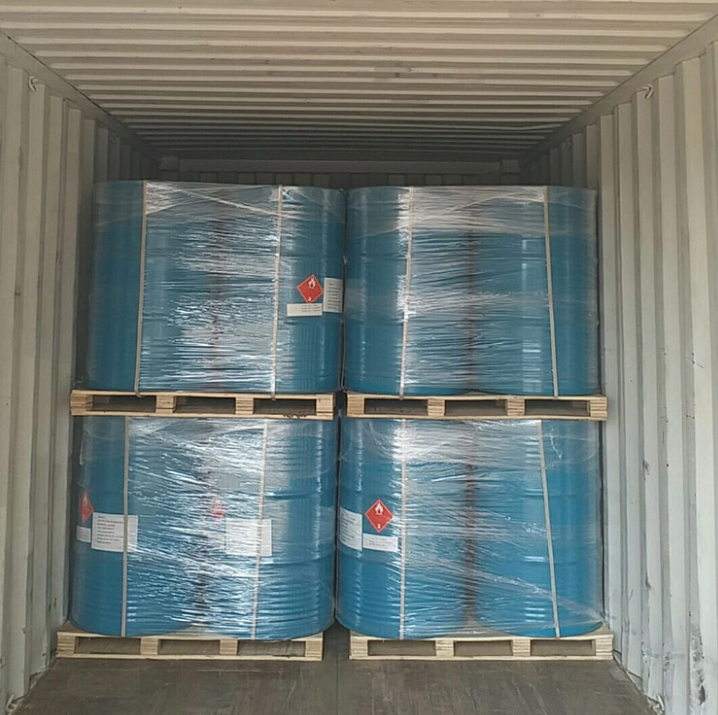
Shipping and Transportation
Delivery Time
Inventory 2-3 working days New manufacturing 7-10 working days
Mode of Transportation
1. By Air, fast but expensive.
2. By Sea, usual and economy.
3. By Train, suit for middle Asia countries.
4. By Express, suit for small package.
We only provide highest quality goods available, accompanied by after support!
FAQ
Q1: What international standards do your products and services comply with?
A1: Our products fully comply with international standards such as REACH, MSDS, and COA, and we strictly implement the ISO9001 quality management system. We can also provide third-party testing reports (SGS, BV, etc.) according to customer needs.
Q2: How long does it take for goods to be delivered to my country?
A2: The delivery time depends on the transport mode and destination country. Generally, sea transport takes 15-30 days, air transport takes 3-7 days, and we will optimize the transport route to shorten the delivery time as much as possible.
Q3: Can you provide customs clearance services for dangerous chemicals?
A3: Yes. Our team is proficient in the customs clearance procedures for dangerous chemicals in various countries, and can provide professional compliant declaration and customs clearance services to ensure smooth customs clearance.
Q4: Do you provide customized product and service solutions?
A4: Yes. We can provide personalized product customization and export service solutions according to your specific needs (product specifications, application scenarios, procurement volume, etc.).
Contact Us
Recommendation
CAS No.: 77-92-9
Molecular Formula: C6H8O7
Molecular weight: 192.12
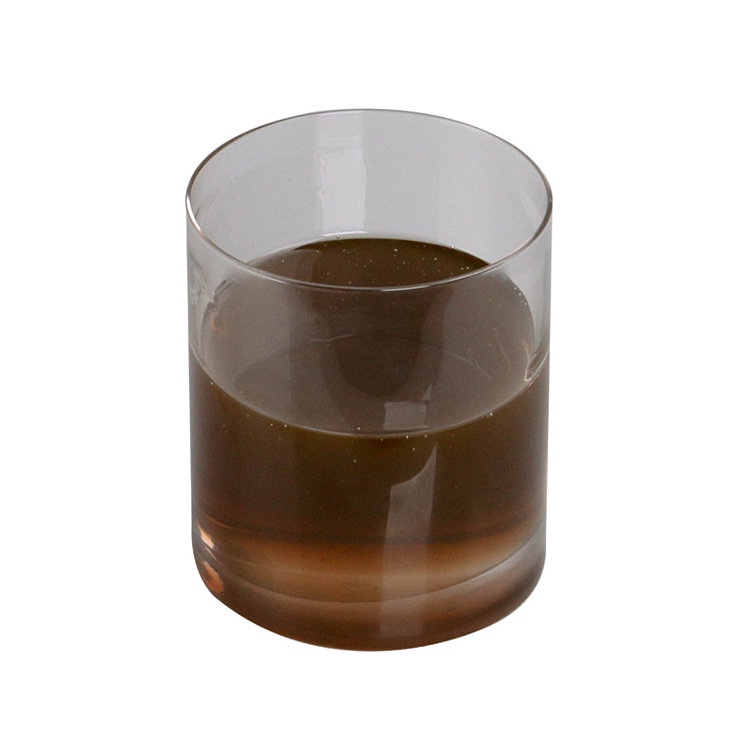
CAS No.: 27176-87-0
Molecular Formula: C18H30O3S
Molecular Weight: 348.47583
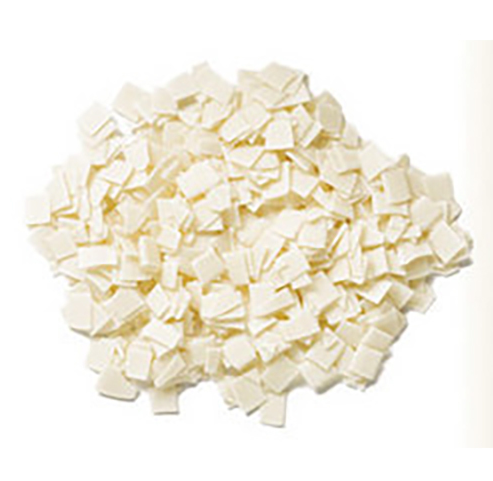
CAS No.: 1338-41-6
Molecular Formula: C24H46O6
Molecular Weight: 430.62
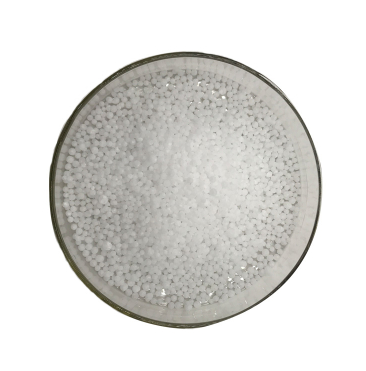
CAS No.: 1310-73-2
Molecular Formula: NaOH
Molecular weight: 39.99711
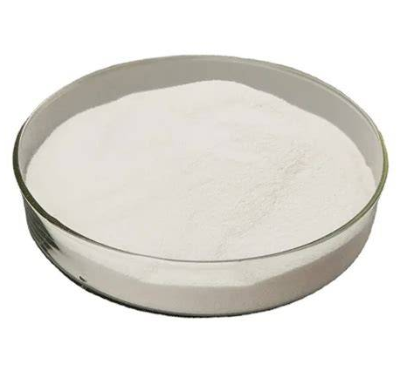
CAS No.: 9002-86-2
Molecular Formula: (C2H3Cl)x
Molecular Weight: 62.5
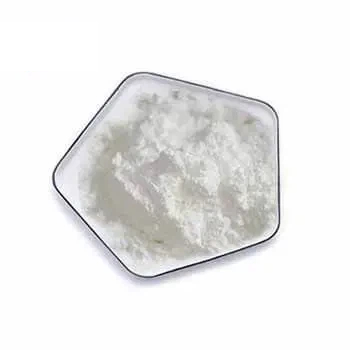
CAS No.: 12179-04-3
Molecular Formula: B4H10Na2O12
Molecular weight: 291.3
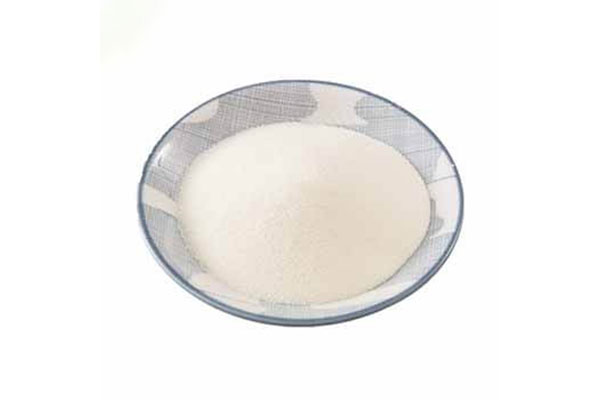
CAS No.: 69669-44-9
Molecular Formula: C18H29NaO3S
Molecular weight: 348.48
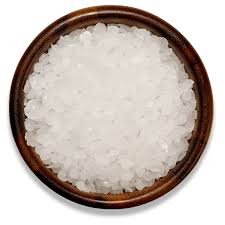
CAS No.: 8002-74-2
Molecular Formula: CnH2n+2
Molecular weight: 341.44398
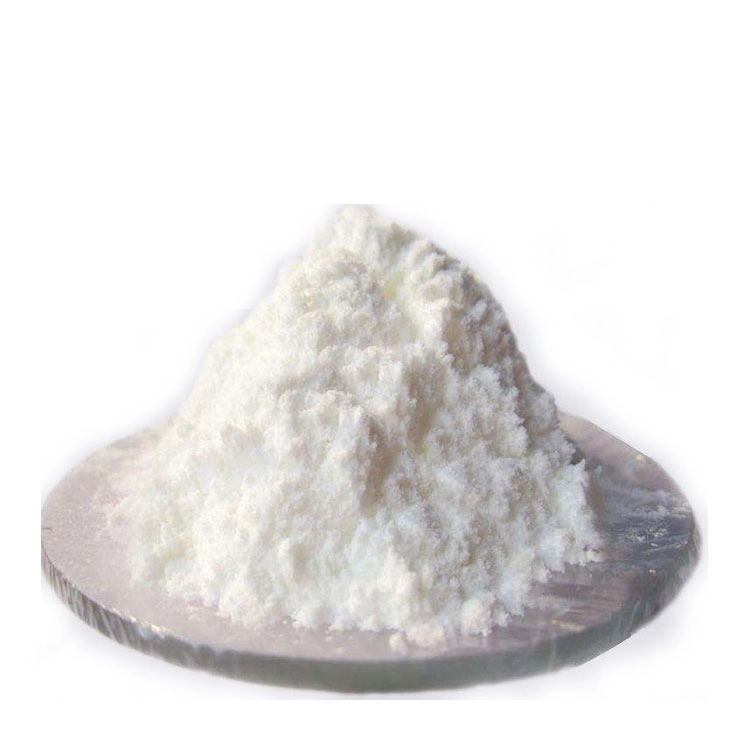
CAS No.: 7757-82-6
Molecular Formula: Na2SO4
Molecular weight: 142.04214
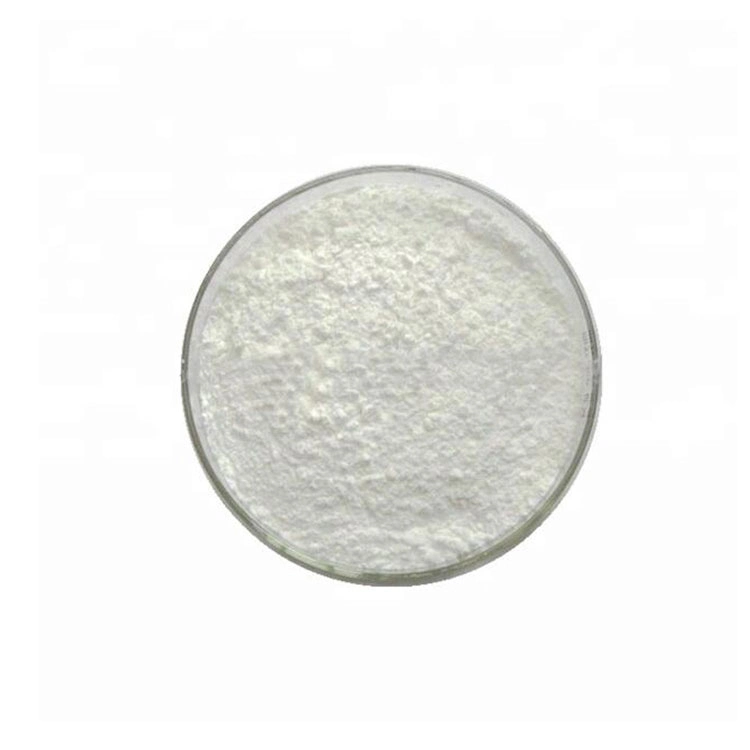
CAS No.: 13463-67-7
Molecular Formula: O2Ti
Molecular weight: 79.87
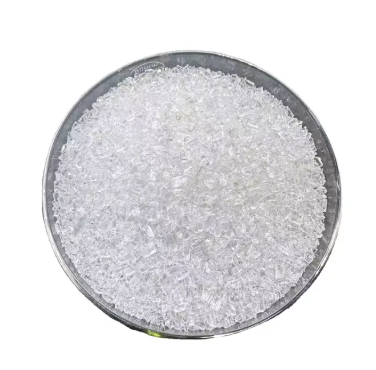
CAS No.: 9003-07-0
Molecular Formula: (C3H6)n
Molecular weight: 42.078
CAS No.: 56-81-5
Molecular Formula: C3H8O3
Molecular weight: 92.09382
CAS No.: 10028-22-5
Molecular Formula: Fe2O12S3
Molecular Weight: 399.88
CAS No.: 10043-01-3
Molecular Formula: Al2O12S3
Molecular Weight: 342.15
CAS No.: 1310-58-3
Molecular Formula: KOH
Molecular Weight: 56.11
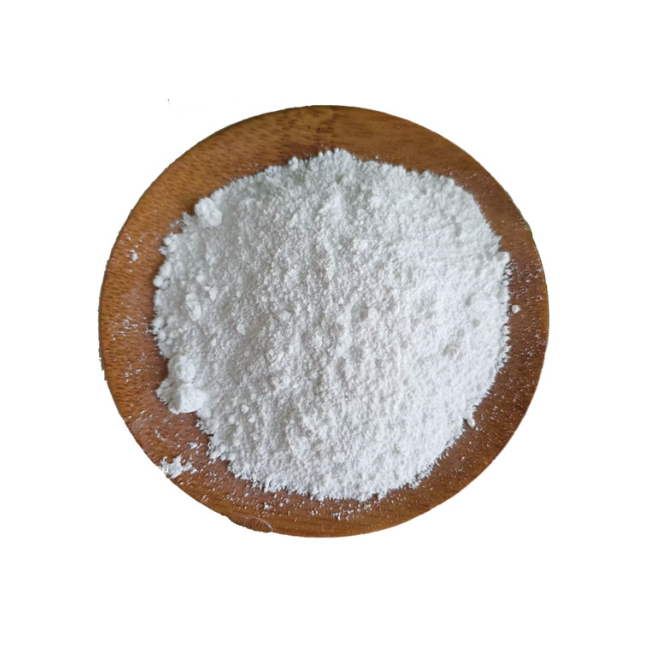
CAS No.: 151-21-3
Molecular Formula: C12H25NaO4S
Molecular Weight: 289.39
CAS No.: 68585-34-2
Molecular Formula: C12H26Na2O5S
Molecular Weight: 328.38
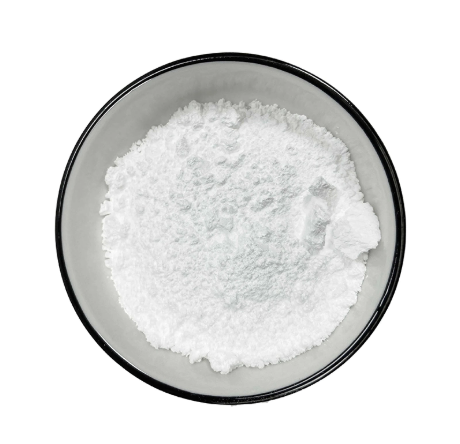
CAS No.: 7727-43-7
Molecular Formula: BaO4S
Molecular Weight: 233.39
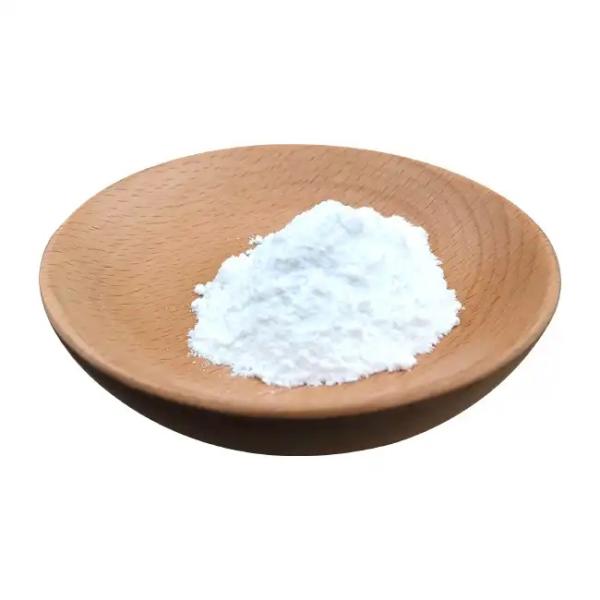
CAS No.: 7758-29-4
Molecular Formula: Na₅P₃O₁₀
Molecular Weight: 367.86
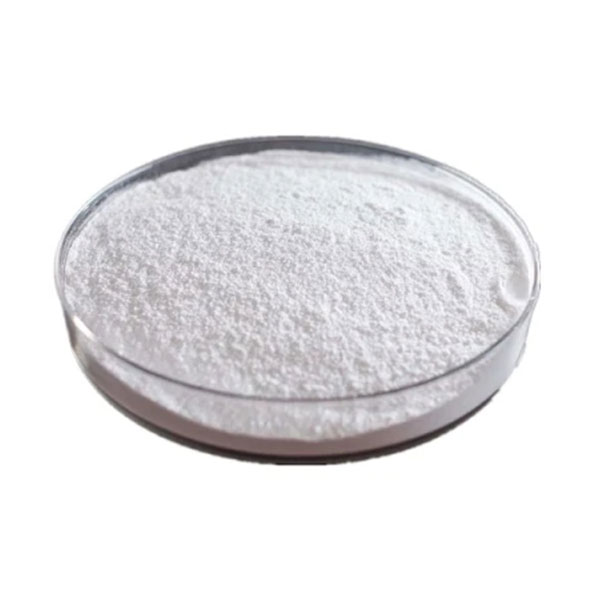
CAS No.: 108-78-1
Molecular Formula: C3H6N6
Molecular Weight: 126.12